
How the timeless craftsmanship of Gujarat, Rajasthan, and Northeast India is capturing the global spotlight.
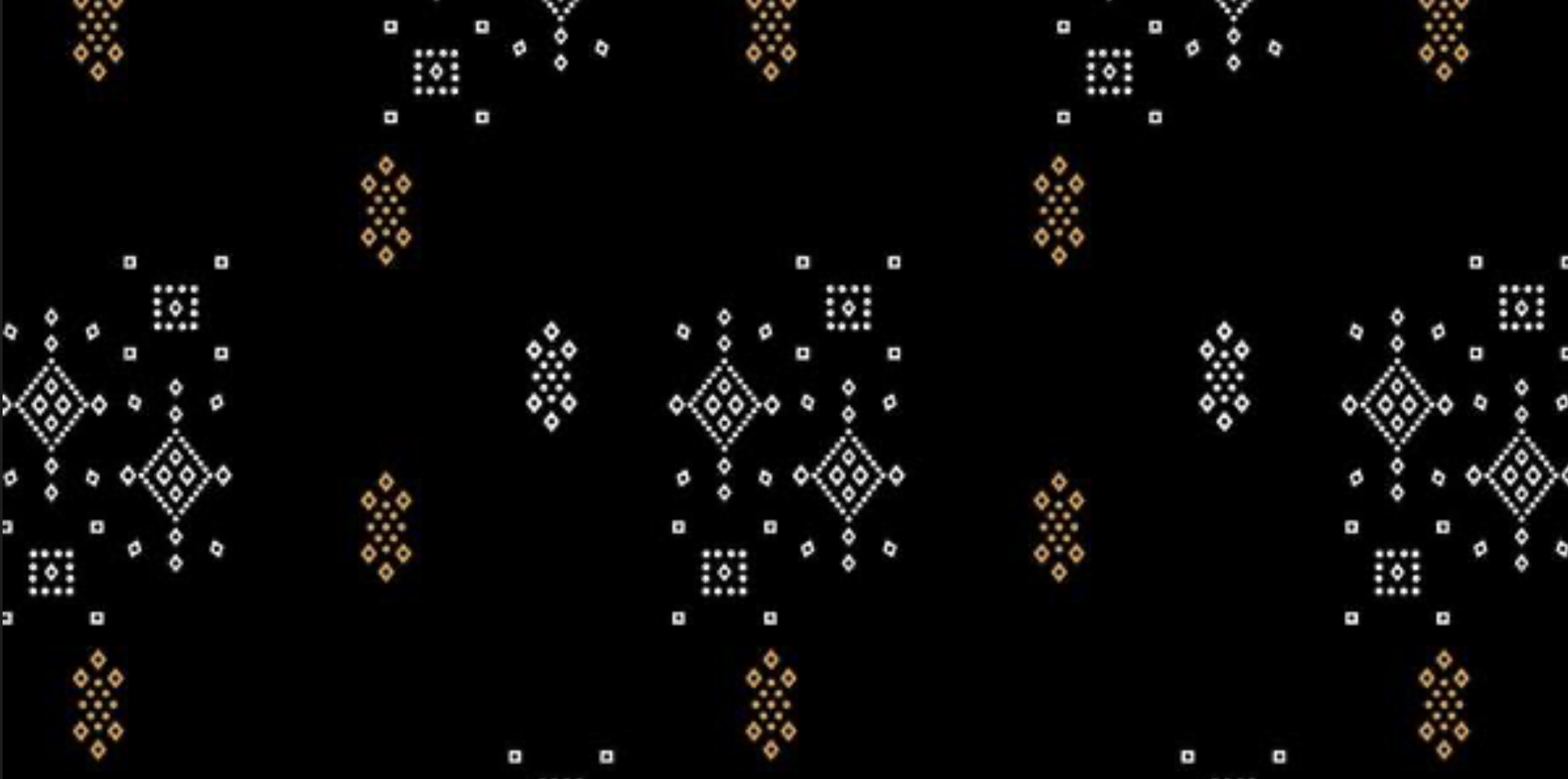
Tangaliya (also known as Daana weaving) is a 700-year-old indigenous handloom technique originating from the Surendranagar district of Saurashtra, Gujarat. Practiced traditionally by the Dangasia community, it gives the uncanny illusion of intricate bead embroidery but the beads are entirely structural, created directly on the loom.
Traditionally woven as thick, utilitarian wool wraps for shepherd women to combat the winter cold, modern Tangaliya has evolved beautifully into fine sarees, stoles, and contemporary apparel using breathable Kala cotton and silk.
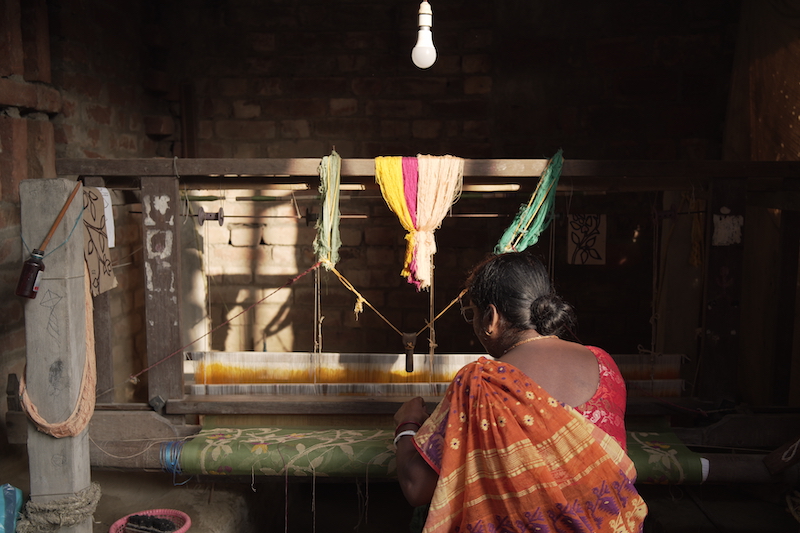
Because this intricate technique is embedded directly into the structure of the fabric on a traditional pit loom rather than stitched on afterward, the resulting motifs often inspired by local flora and fauna like peacocks and trees are perfectly reversible and identical on both sides. Worn originally as heavy, functional wool wraps by the pastoral Bharwad shepherds, Tangaliya has undergone a major contemporary revival since receiving its Geographical Indication (GI) status in 2008, gracefully transitioning from thick wool into fine, tactile Kala cotton and silk pieces that have recently caught the attention of global luxury fashion and international runways.
Baldev Rathod and the global spotlight on his village via the Press Trust of India (PTI)
Supported by Gujarat’s Hastkala Setu Yojana (an entrepreneurship scheme by the Entrepreneurship Development Institute of India), Baldev’s work bridges ancient heritage with global pop culture.
The Hindu
ELLE
Bamboo: India’s Green Steel
In Northeast India, bamboo is often called “green steel” because some species possess a tensile strength comparable to mild steel while remaining lightweight, renewable, and biodegradable. For generations, artisans have mastered the art of splitting bamboo into fine strips and weaving them into intricate patterns without the use of nails or adhesives—a skill that combines precision, flexibility, and structural strength.
Today, these traditional weaving techniques are being reimagined for contemporary interiors. Bamboo weave is finding its way into pendant lamps, room dividers, wall claddings, ceiling panels, furniture, cabinet shutters, acoustic screens, and ventilation panels. The woven surfaces not only add warmth and texture but also filter light, improve airflow, and create dynamic shadow patterns, making spaces feel more natural and inviting.
What makes bamboo weaving truly unique is its ability to blend craftsmanship with functionality. Each weave pattern can be customized to control transparency, ventilation, and aesthetics, allowing designers to create spaces that are both beautiful and performance-driven. As the demand for sustainable interiors grows, bamboo weaving stands out as a craft that seamlessly bridges heritage, innovation, and modern architecture. Unlike synthetic materials, woven bamboo panels can be designed with varying densities from open weaves that promote natural ventilation to tighter weaves that offer privacy and visual screening. This versatility makes bamboo one of the few traditional crafts that serves both decorative and architectural functions in modern interiors.
Jawaja Durries: Geometry on the Floor
Born from the celebrated Jawaja Craft Development Initiative in Rajasthan, Jawaja Durries have become a symbol of timeless craftsmanship and contemporary design. Handwoven using traditional flat-weave techniques, these durries are known for their bold geometric compositions, vibrant colour palettes, and exceptional durability.
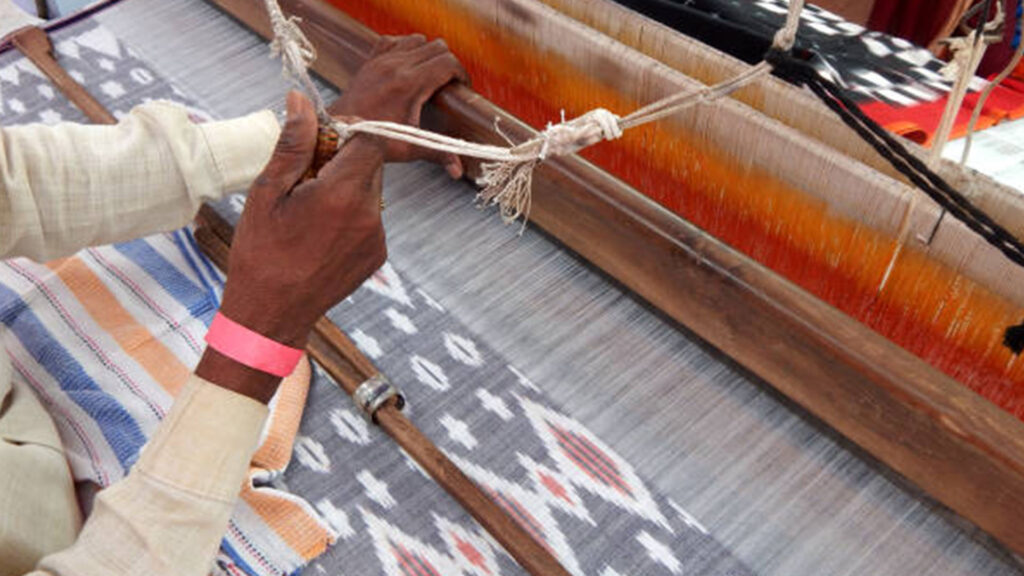
Each durrie is woven on a handloom using cotton or wool, where every motif is created through the careful interlocking of coloured weft yarns rather than surface printing. This gives the fabric identical patterns on both sides, making it fully reversible and extending its lifespan.
Today, architects and interior designers are embracing Jawaja Durries not only as floor coverings but also as wall hangings, upholstery, headboards, and statement art pieces. Their lightweight construction, sustainable production, and handcrafted character make them an ideal choice for contemporary homes, hospitality spaces, and cultural interiors.
A Jawaja Durrie is completely reversible, meaning both sides can be used without compromising the design. This unique weaving technique doubles its usability while showcasing the precision and skill of the artisan.